California sues over HUD rule that would evict mixed-status families
written by
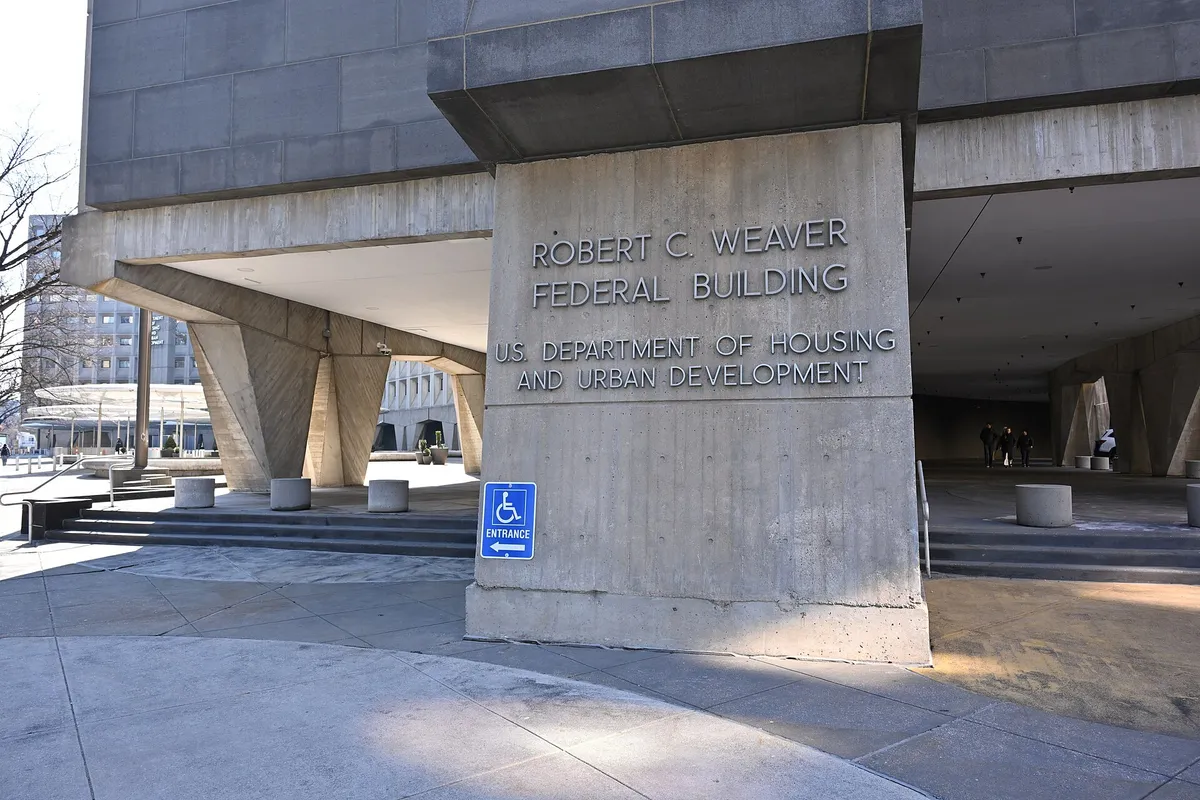
Families in public housing or on Section 8 vouchers would face eviction if even one member is ineligible because of immigration status, under a federal rule California took to court Monday.
Attorney General Rob Bonta filed the suit Monday, Nov. 23, alongside a coalition of 21 attorneys general and Pennsylvania's governor, according to the attorney general's announcement. New York Attorney General Letitia James and Massachusetts Attorney General Andrea Joy Campbell are co-leading the case with him.
Bonta's office said more than 7,000 mixed-status households in California would be affected. Thousands of children who are U.S. citizens could be displaced, it said.
"This new Trump Administration rule would put tens of thousands of Californians at risk of eviction and saddle states with the financial burdens," Bonta said.
A mixed-status family is a household where at least one person qualifies for federal housing aid and at least one other doesn't because of immigration status.
HUD has let those families keep their help for decades. Under its Section 214 rules, a household's aid was scaled down by the number of members who weren't eligible.
Now that would end. Mixed-status families couldn't live in public housing or get other federal housing help, including Section 8 vouchers and project-based rental assistance.
Housing authorities and private landlords in HUD programs must tell tenants and applicants to alert the Department of Homeland Security right away if they determine anyone in the household is undocumented.
Citizens and elderly people who get or seek housing aid would face new checks proving they're eligible. Low-income citizens and older residents could be pushed out of subsidized homes as a result, the attorneys general said.
"Families should not have to choose between remaining together and keeping a roof over their heads," Bonta said.
In federal court in Massachusetts, the states argue HUD overstepped the authority federal law gives it. They say the rule is arbitrary and capricious under the Administrative Procedure Act.
Section 214 itself, the states said, already provides prorated aid for these families, leaves it to housing authorities whether to check every member's status and excuses eligible noncitizens 62 and older from extra paperwork.
"HUD failed to provide a justified explanation for the policy changes and relied on factors Congress did not intend it to consider," the coalition wrote in the lawsuit. It also argues the agency gave too little weight to the harm facing states and the housing providers that relied on the old policy.
Bonta fought the rule before it was final. Earlier this year, while it was still a proposal, he co-led a coalition that filed a comment letter against it.